Is Fabric Softener Really Necessary?
“Do I need to use fabric softener?”
At Heritage Park, we get this question almost weekly. And our answer is always the same: No, you do not need fabric softener. In fact, many chemicals used in most fabric softeners should make this entire product category an automatic hard pass. Let’s take a minute to debunk the fabric softener myth once and for all.
Fabric softener and dryer sheets have been laundry-room staples since the 1960s. Most of us grew up using them without a second thought. But once you understand what's actually in them and how they work, it's easy to see why we recommend leaving them out of your routine for good.
The Many Drawbacks of Fabric Softener
Fabric Softener is Expensive
Fabric softener prices run the gamut from a few dollars up to tens of dollars for a "luxury brand." While a high-quality laundry detergent is a smart investment, any money you spend on fabric softener is too much.
Fabric Softener is Loaded with Chemicals
For real. Read the labels. Along with being not-so-healthy, these chemicals, dyes, and fragrances can trigger allergies and irritation in anyone with sensitive skin or breathing issues. Reactions can show up as contact dermatitis, and in more sensitive individuals, inhaling the fragrance from dryer sheets can bring on a sore throat, a runny nose, or even trigger asthma symptoms. Because these reactions aren't always immediate or obvious, it can take a while to connect the dots, especially when it's a baby or young child having the reaction. (Note: if this sounds like you or a family member, learn about our fragrance-free, hypoallergenic detergents here).
Builds Up on Fabric and In Your Washing Machine
Fabric works by coating your laundry with fragrance and chemical softeners that leave waxy deposits behind. No matter how "soft" they feel or good they smell, clothing treated with fabric softener is coated in build-up. Similarly, that residue clings to the inside of your washing machine drum. Most of this residue rinses away in the wash cycle, but dryer sheets are a different story — the wax-like coating melts in the heat of the dryer and gets left behind inside the drum, and it can also build up on your lint screen. A clogged lint screen restricts airflow, which can make your dryer run hotter than it should.
Reduces Absorbency of Towels
This might surprise you, because fabric softener is supposed to make towels feel “soft.” But that feeling comes from a chemical coating that actually
prevents your towels from absorbing moisture. Fabric softener also builds up on your towel fibers, causing them to lay flat, absorb dirt and minerals from hard water, and grow dingy (see below for our simple fix to this common problem). Microfiber towels take this especially hard, since they're engineered to trap tiny particles and soak up spills, exactly the jobs that a waxy coating makes harder.
Compromises Safety
For parents, this is a crucial consideration. Fabric softeners can ruin the flame-retardant properties of children's sleepwear, making them potentially hazardous. Federal law actually requires kids' pajamas and other sleepwear to be flame-retardant and self-extinguishing. Regular fabric softener undermines this standard. Safety should always come first, especially when it concerns our little ones.
Damages Athletic Wear
Expensive workout clothes are made with high-performance fabrics made to wick away moisture. Fabric softeners coat the fibers and compromise this essential feature, leaving you with uncomfortable and less effective performance wear.
Negative Environmental Impact
From production (energy and plastic) to transport (carbon use) to disposal (some non-biodegradable chemicals), liquid fabric softener can contribute to pollution of our ecosystem and aquatic life. Used dryer sheets and empty softener bottles also just pile up as ordinary landfill waste, on top of the chemical runoff.
How Fabric Softener and Dryer Sheets “Work”
It helps to understand what these products are actually doing to your laundry. Liquid fabric softener goes in during the wash cycle, where it deposits a layer of chemicals that fluffs and scents your fabric while neutralizing the static electric charge (you may also see crystal versions marketed as "laundry boosters" or "scent boosters"). Dryer sheets work a little differently — they're thin polyester sheets coated in softening agents, lubricating stearic acids, and fragrance, which melt off onto your laundry in the heat of the dryer.
Many of the more heavily chemical formulas rely on a class of compounds called "quats" (quaternary ammonium compounds) or on silicone-based oils, along with added dyes and fragrance. As Rebecca Sutton, PhD, a senior scientist with the Environmental Working Group, has explained, these compounds leave a
slick, coated feeling on fabric. The “softness” isn’t natural, just a thin film of chemical residue.
Wool Dryer Balls: The Secret to Soft, Fluffy Laundry
All-natural
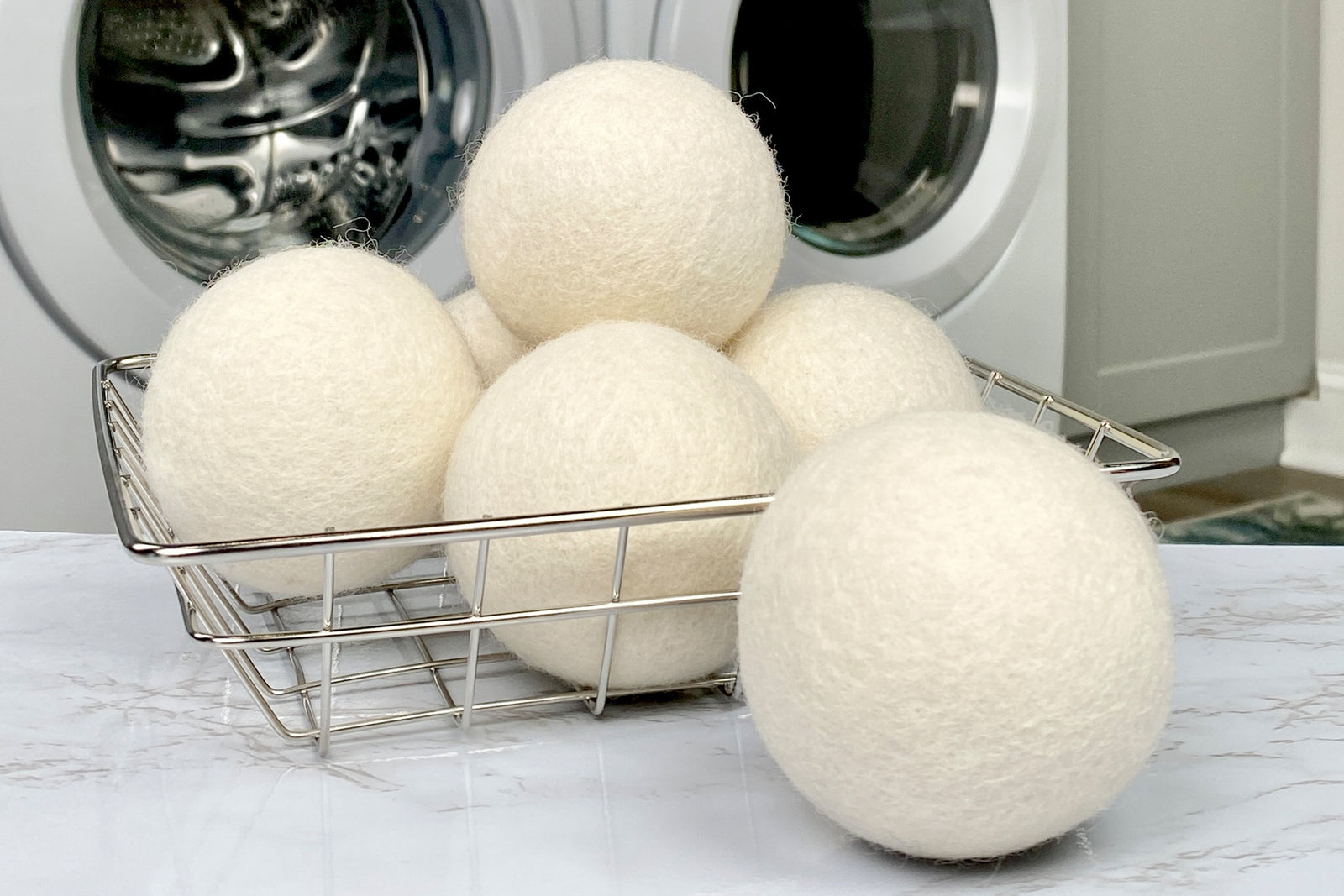
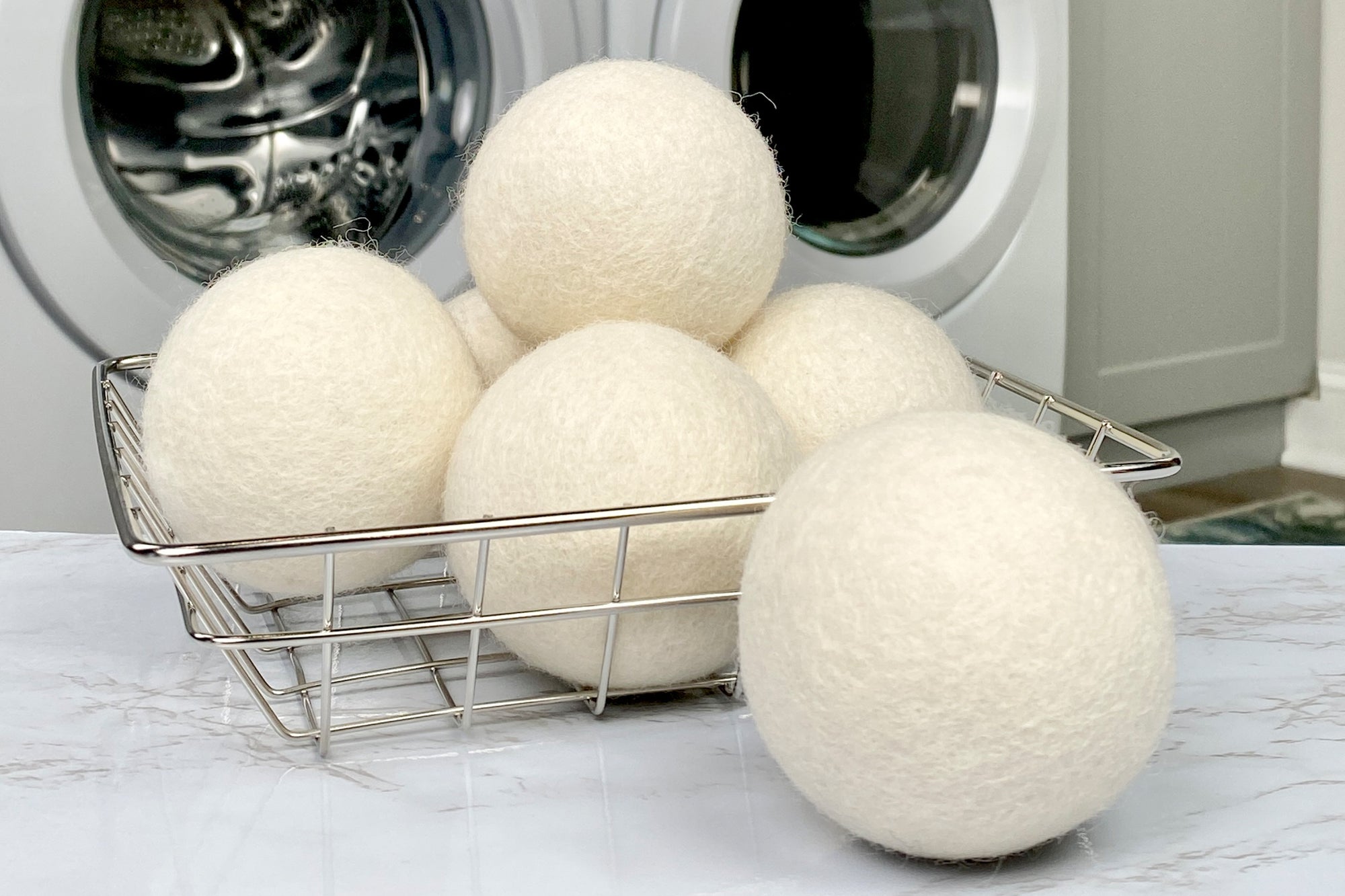
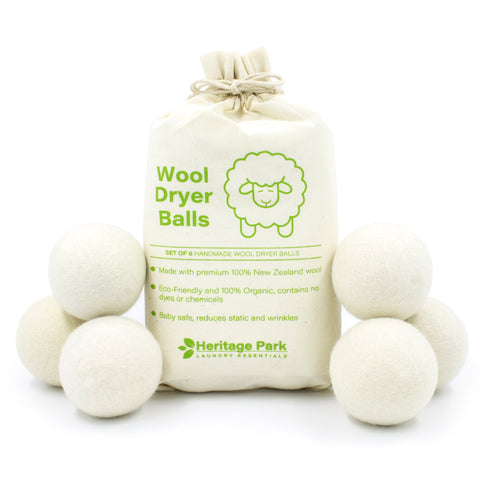
wool dryer balls are a great alternative to fabric softener; naturally soften laundry and speed up drying time. The best wool dryer balls are made from New Zealand wool and are about the size of a tennis ball. They bounce around and tumble among the items in the dryer to soften fabric; trap lint and pet hair; and shorten drying time by preventing clumping and allowing air to circulate. They even absorb moisture and fluff your laundry to help prevent wrinkles. There are so many benefits to wool dryer balls:
-
Faster Drying: Wool absorbs moisture from your which reduces drying time. This saves energy and protects your clothing from excess heat exposure.
-
Eco-Friendly: Wool dryer balls are biodegradable and made from renewable resources. They're reusable for several months and don't harm the environment.
-
Hypoallergenic: Wool is naturally hypoallergenic, making it an excellent choice for those with sensitive skin or allergies. You get soft, clean clothes without the skin irritation.
-
Reduces Static: Wool dryer balls also help reduce static cling in your laundry. No more clothes sticking together or sparking when you pull them apart.
Just toss three balls in the dryer along with a standard-sized load; add more balls for larger loads. Want a bit of scent? Add a drop or two of your favorite essential oil to a dryer ball before tossing it in.
"We built Heritage Park because we were tired of choosing between 'gentle' and 'effective.' The same goes for how we think about fabric care overall. You shouldn't need a chemical-laden softener to get laundry that feels good. The right products and a little know-how do a better job that’s safer for your family and your laundry.”
- Tom Ceconi, President, Heritage Park Laundry Essentials
Bring Towels Back to Life with this Simple Hack
Even high-quality towels can grow dull, dingy, and scratchy over time. This can happen from fabric softener or dryer residue; detergent build-up; and mineral deposits from hard water. Here's how to restore and revive towels with two simple pantry items: baking soda and vinegar.
- Wash your towels in warm water or hot water with one cup of white distilled vinegar. This will strip towels of any built-up residue and help restore absorbency. DON'T USE DETERGENT, only white vinegar.
- Run the load a second time using only a half-cup of baking soda. This will help freshen and remove any lingering smells. AGAIN, DON'T USE DETERGENT, only baking soda.
- Dry according to instructions (WITHOUT any type of dryer sheet).
You can repeat this process when needed to keep your towels soft, fluffy, and smelling fresh.
With a few small swaps (wool dryer balls in place of fabric softener and dryer sheets, and a vinegar-and-baking-soda refresh for tired towels) you can keep your laundry clean, fresh, and free of unnecessary chemicals. If you ever have questions about the best way to care for your laundry, the Clean Team at Heritage Park is always just a call or email away. Contact us at (800) 977-1841 or at
info@hplaundry.com.