Beach Towels: The Workhorse of Summer
Take your pick: beach, lake, park, or pool. Wherever you're headed to cool off this summer, it's a good bet you'll be toting a beach towel (or two) with you. And if you're having a great day in the sun, that towel is likely going to wind up more than a little dirty. Sunscreen…ice cream…maybe some mustard from the hot dog you grabbed at the concession. And that's on top of all the sand, mud, and chlorine.
We get it. The Heritage Park offices are located along the shore (lucky us!) and we spend our fair share of time at the beach. Along with being laundry pros, we are veterans at cleaning the remnants of sand, surf, and sun out of our towel collections. Read on to learn how we do it.
How Often to Wash Your Beach Towels
No doubt about it, we ask a LOT from beach towels. Unlike bath towels, which are confined to the comparatively clean spaces of our bathrooms, beach towels are out there in the open, exposed to the elements, and subject to all the stains, spills, and spots that come with summer fun. But do you need to wash your beach towels every time you use them? Or is giving them a good shake to get rid of the sand enough?
We asked Helena Hendricks, Senior Associate Brand Manager at luxury linen retailer,
Fine Linen and Bath, to weigh in.
"You don't need to wash a beach towel every single time you use it," says Helena. "If you're planning to reuse it, shake out all the sand, dirt, and debris thoroughly, then air dry it outside. Once it's completely dry, fold it and store it in your beach bag; save the linen closet for clean towels only."
"My rule of thumb," she adds, "is that if a towel has touched the sand directly, it probably needs a wash. But a towel that was only used to dry off and stayed damp can usually go another round. If you've been for a swim in the ocean, though, launder your towel after the second use to rinse away the salt and keep it soft and absorbent."
If you're going to reuse a towel, make sure it is completely dry before folding it and storing it in your beach bag to prevent the growth of bacteria and odor.

Choose the Best Detergent for Washing Your Beach Towels
Your first step in cleaning your beach towels is choosing the right detergent.
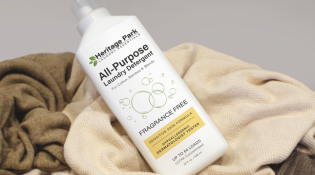
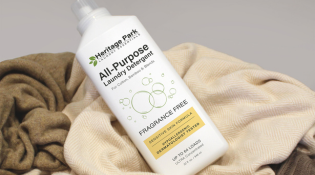
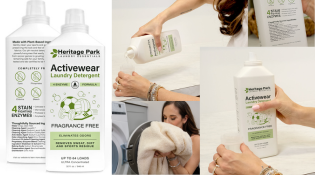
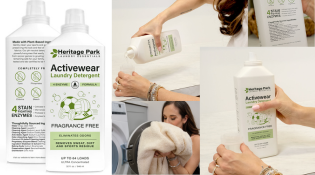
Heritage Park Sensitive Skin All-Purpose Laundry Detergent is the perfect choice. It's EPA Safer Choice Certified, EWG Verified, and independently lab certified as hypoallergenic (pediatrician and dermatologist tested. The mild, pH-neutral formula is gentle on skin while effectively cleaning cotton, bamboo, linen, and synthetic beach towels with a proprietary enzyme blend instead of harsh chemicals. Choose from Fragrance Free or gently scented Shore Breeze, Lavender Mist, or Spring Magnolia varieties.
Laundry Enzymes: The Natural Way to Tackle Dirt and Stains
Your beach towels are front and center for stains, most of which are compounds of multiple substances. That's why the proprietary
enzyme blend in Heritage Park Sensitive Skin All-Purpose Detergent is so effective. This special mix targets individual stain components to dissolve and remove them, leaving your towels clean and fresh:
- Protease: works on protein from sweat, blood, chocolate, dairy products, grass/dirt, tea, coffee, and more.
- Amylase: works on starch used to thicken foods like sauces, dressings, desserts, and baby food.
- Pectate Lyase: breaks down pectin found in fruit and used in thickeners.
- Mannanase: works on gums found in ice cream, mayo, and salad dressing and personal care products like sunscreen.
- Lipase: targets fats, oils, and grease found in food like pizza or for cooking.
Simple Steps to Machine Wash Your Beach Towels
We recommend washing new towels before using them for the first time.
Step 1: Read the Care Instructions
Read the care label before washing your beach towel (or anything for that matter!).
Step 2: Shake it Out!
Shake all the sand out of your towel. And once you're finished, do it again. (And maybe a third time. Sand is abrasive and can damage the drum of your machine and also clog the filter and drain, so be super thorough).
Step 3: Pretreat Beach Towel Stains
Pre-treat or pre-soak stains as soon as possible (do the best you can, since nobody typically carries laundry supplies to the beach or pool). When you get home and can focus on the stain, we recommend using an enzyme stain remover; making a 1:1 solution of Heritage Park All Purpose Laundry Detergent and water in a spray bottle; or applying a small amount of All-Purpose Detergent directly applied to the area. Let it sit for at least an hour before putting it in the washing machine.
Step 4: Wash Your Beach Towels in their Own Load
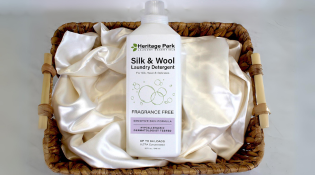
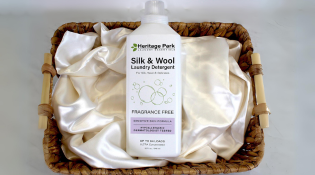
We always recommend sorting laundry by fabric, color, and weight. Wash towels in a separate load, sorted by color. A colored towel may bleed on a white towel, so always wash white towels like this hotel-style lounge chair cover in a dedicated load. Don't overload your machine. If your towels are very bulky or heavy, make a trip to the laundromat and use a commercial front-loader.
Step 5: Use A Normal Cycle and Cool to Lukewarm Water
Some beach towels specify washing in cold water. Other than that, we suggest washing in a lukewarm or even warm water, which are a bit more effective at removing bacteria, sweat, and sunscreen. Heritage Park All-Purpose laundry detergent will work in any temperature water. Use a normal cycle.
Step 6: Never Use Bleach, Fabric Softener, and Dryer Sheets
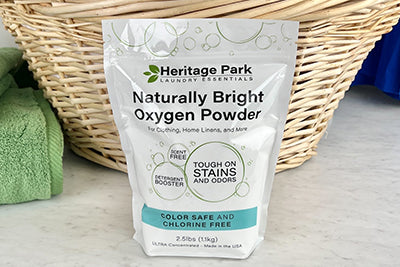
These products are totally unnecessary and can seriously damage your towels. Chlorine bleach will cause towels to fade and fabric softener and dryer sheets leave a waxy build-up on beach towels that harms absorbency. If you need to bleach your towels to refresh or deodorize, use a color-safe oxygen bleach like our Naturally Bright Oxygen Powder.
Step 7: Tumble Dry with Wool Dryer Balls
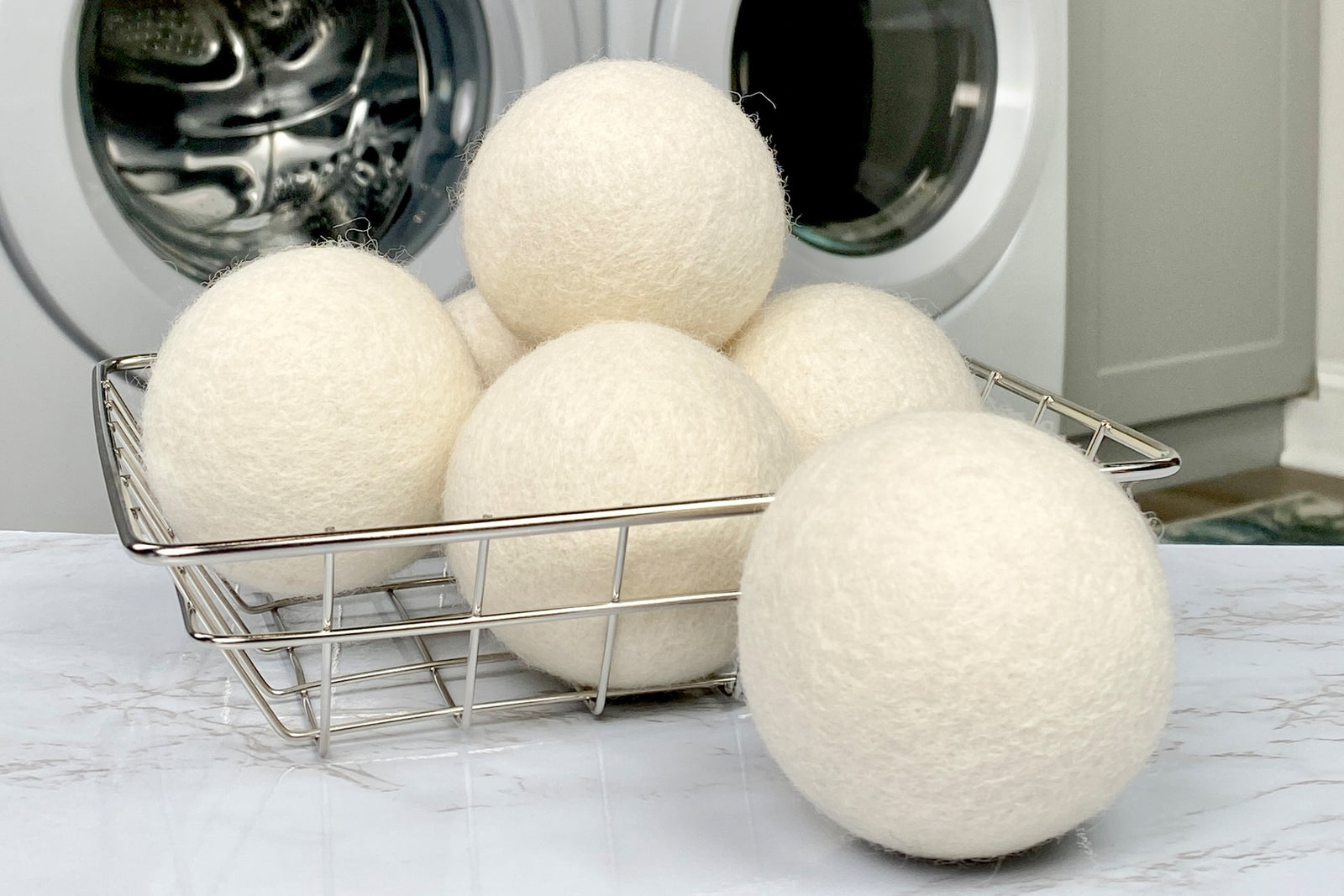
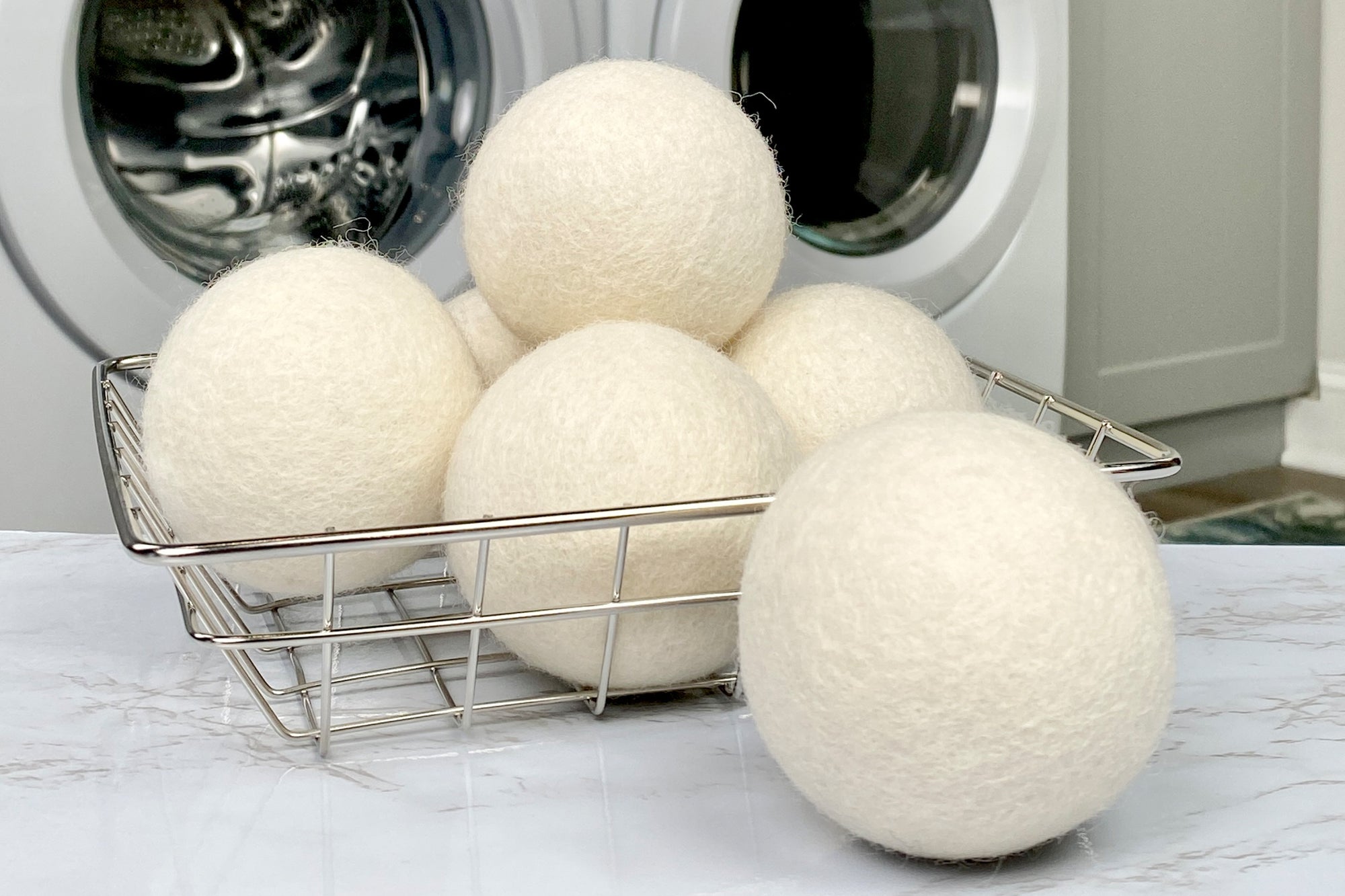
Tumble dry your sheets on low heat and add a set of
natural wool dryer balls. These will speed the drying process and naturally soften the fabric, particularly with cotton towels.
How to Restore and Revive Beach Towels
If your beach towels become stiff or less absorbent due to hard water or detergent buildup, you can restore them using white vinegar and baking soda. This method also works to help get the chlorine smell out of towels that get heavy pool use:
- Wash towels in warm or hot water with one cup of white distilled vinegar (no detergent).
- Run a second wash cycle using only a half-cup of baking soda (no detergent).
- Dry according to instructions without fabric softener sheets.
By following these simple steps and using the right products, you can keep your beach towels clean, fresh, and ready for all your summer adventures!
Pro Tips: A Few of Our Favorite Beach Towels
Before we wrap up, we're happy to share some of our favorite beach towel styles. These are high-quality towels that stand up to the elements and the washing machine!
Land's End Rugby Stripe Reversible Beach Towel. Midweight (450 GSM) classic oversized cotton terry towels with tonal stripe borders and a large stripe design. These towels reverse to stripes in a complementary shade.
Graccioza Bee Waffle Deck Towel. An invigorating waffle weave design. The towel fibers are specially treated to resist color fading from sun, sea, and chlorine. 550 GSM superior combed cotton.
Abyss Prado. Another stunning striped option from the luxury towel manufacturer, Abyss. This is a lighter towel at 400 GSM, made of Egyptian Giza ELS cotton, known as the finest on Earth.
Matouk Amado Pool and Beach Towels. Made in Portugal striped pattern with terry alternating with flat weave and fringe.
Matouk Como 360 Throw. Made in Italy from 100% linen, the Matouk Como 360 works as a throw, towel, beach blanket, table cover or impromptu wrap on breezy nights. Generously oversized yet super lightweight for travel.