If you suspect you have a laundry detergent allergy, you're not alone — millions experience itchy, irritated skin after wearing freshly laundered clothes. Standard laundry detergent formulas are packed with harsh chemicals that can wreak havoc on sensitive skin.
Your Skin Can Change at Any Time
The confusing part? Your skin might be reacting even if you've used the same washing powder or liquid detergent for years. Here's something important: anyone can develop a laundry detergent allergy or detergent sensitivity at any time. Skin conditions can change due to hormones, stress, aging, medications, or repeated exposure to irritants. What worked fine before might suddenly be causing a laundry detergent rash now.
Babies and Young Children: The Most Vulnerable to Detergent Allergy
Infants and young children are especially susceptible to laundry detergent allergy and irritant contact dermatitis.
Babies' delicate skin barrier is significantly thinner than adult skin, making it more permeable to harsh chemicals and potential allergens in laundry soap. Babies also have more direct skin-to-fabric contact through constant rolling, crawling, and sleeping, which increases exposure to detergent residue left on clothes and bedding.
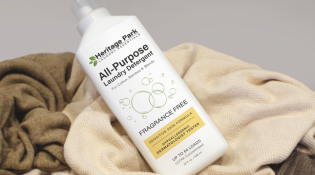
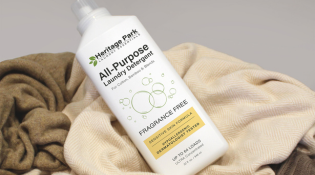
Pediatric atopic dermatitis often develops in the first year of life, and harsh laundry products can trigger or worsen these conditions. If your baby or child shows signs of unexplained rash, persistent itching, or red patches where clothing touches their skin, switching to a pediatrician-tested hypoallergenic detergent like Heritage Park All-Purpose Fragrance Free — which has been specifically tested for infant safety — may help provide relief.
Always wash all baby items with an extra rinse cycle and completely avoid fabric softener and dryer sheets, as these products contain concentrated fragrances and chemicals that are especially harmful to developing skin. Of course, your first step should always be to seek guidance from your pediatrician or doctor.
Understanding Laundry Detergent Allergies and Irritation
Two Types of Reactions: Both Cause Real Problems
When your skin reacts to laundry soap, it's experiencing one of two problems. In many cases, it is really sensitive skin and irritation rather than a true immune-mediated allergy. But both laundry detergent allergies and irritation cause genuine discomfort.
True Allergic Contact Dermatitis
True allergic contact dermatitis involves your immune system mounting a response to specific ingredients. These genuine laundry detergent allergies typically appear 12 to 48 hours after exposure. With repeated exposure, the allergic reaction can become more severe. These reactions usually require patch testing by a dermatologist to identify the specific allergen.
Irritant Contact Dermatitis
Irritant contact dermatitis is far more common and happens when harsh chemicals in detergent directly damage your skin's protective barrier. The irritation is usually immediate or develops within hours, showing up as redness, itching, dryness, burning, or a visible laundry detergent rash wherever your clothes touch your skin. Unlike allergies, this doesn't involve your immune system — it's direct chemical injury.
Where Reactions Show Up Most
The worst spots for both types of dermatitis? Areas where fabric fits tightly, like waistbands, collars, underarms, and elastic bands. Both atopic dermatitis and other forms of dermatitis can be triggered or worsened by laundry products.
Whether it's technically an allergy or irritation, your skin is inflamed and uncomfortable. Both mean you need to change your laundry routine.
What Causes a Laundry Detergent Allergy?
Artificial Fragrances: The Top Culprit
Artificial fragrances are the biggest troublemaker in traditional detergent formulas. Fragrance chemicals are leading causes of skin reactions and allergy symptoms. Companies aren't required to list the specific chemicals in their "fragrance" blend, so you have no idea what potential allergen you're exposing your skin to. These compounds cling to fabric after washing, meaning constant contact with irritants.
This is why choosing truly fragrance-free detergent is crucial. "Fragrance-free" means no fragrance chemicals whatsoever, while "unscented" products may still contain masking fragrances. For anyone with a detergent allergy or sensitive skin, fragrance-free is the only safe choice.
Dyes: Pretty but Pointless
Dyes are completely unnecessary and serve zero cleaning purpose. Those bright liquids in scented detergent look appealing, but dyes trigger reactions in sensitive individuals. They're purely cosmetic.
Harsh Surfactants: Too Effective for Their Own Good
Harsh surfactants create foam and bubbles in soap and detergent. While excellent at cutting grease and dirt, they strip away your skin's natural protective oils, leaving your skin barrier compromised, dry, and vulnerable to irritation.
Optical Brighteners: Coating Your Clothes in Chemicals
Optical brighteners don't actually clean anything. They coat fabric with compounds that make whites appear brighter. This coating stays on clothes and transfers to your skin, causing sensitivity and allergic reactions. For people with eczema or very reactive skin, optical brighteners are particularly problematic.
Preservatives: Building Up Sensitivity Over Time
Preservatives lextend the shelf life of liquid detergent but are known skin sensitizers. Some people develop severe reactions to these harmful chemicals through repeated exposure, even without initial reactions. This shows how laundry detergent allergies can develop suddenly after years of using the same product.
The pH Problem Nobody Talks About
Your Skin's Acid Mantle Under Attack
Your skin has a naturally acidic pH of around 4.5 to 5.5. This "acid mantle" keeps your skin healthy and protected. Many traditional laundry detergent formulas are highly alkaline, with pH levels of 10 or higher.
How Alkaline Detergent Disrupts Your Skin
When you wear clothes washed in alkaline detergents, detergent residue disrupts your skin's natural pH balance. This weakens your skin barrier and makes you more susceptible to irritation, dryness, and infections.
For people with eczema, psoriasis, or dermatitis, this pH disruption triggers serious flare-ups. Even without diagnosed conditions, persistent dryness or itchiness could be your skin's response to pH imbalance. This is why
pH-neutral detergents are critical for healthy skin.
The Residue Problem
Even a well-formulated liquid detergent with gentler ingredients creates problems if you use too much or it doesn’t rinse thoroughly. Overloading your machine makes it even harder to get a thorough rinse; the leftover detergent sits on fabric, transfers to skin, and causes irritation. Hard water makes this all worse: the minerals bind with detergent ingredients, making them harder to rinse and prone to depositing residue.
The Right Solution for Laundry Detergent Allergy Sufferers
Not All "Gentle" Detergents Are Created Equal
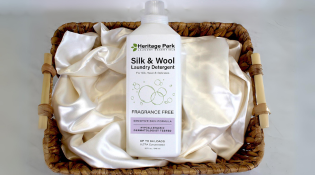
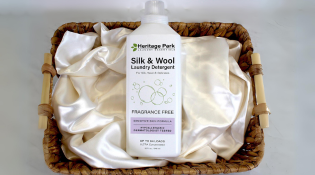
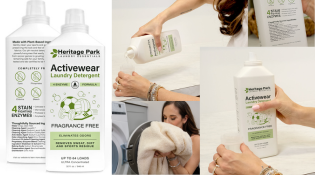
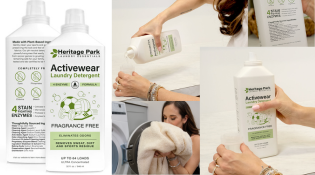
Switching to the right hypoallergenic laundry detergent can make a dramatic difference for your skin. But not all products marketed for sensitive skin are equal. Many so-called "gentle" laundry products remove fragrance and dyes but retain problematic ingredients that trigger contact dermatitis. Heritage Park Fragrance Free Laundry Detergent stands apart from standard laundry detergent options. It's specifically formulated for people with laundry detergent allergies and sensitive skin, backed by multiple independent certifications.
Lab-Tested Hypoallergenic and Doctor Tested
Heritage Park has been independently certified as
hypoallergenic and tested by pediatricians and dermatologists. It cleans effectively without causing skin irritation, safe for everyone from newborns to adults with the most sensitive skin.
Truly Fragrance-Free: Not Just Unscented
Unlike "unscented" products that may contain masking fragrances, Heritage Park is
completely fragrance-free. No artificial fragrances, no essential oils, no perfumes: nothing that could trigger fragrance-related skin allergy or irritation.
EPA Safer Choice Certified: Third-Party Verification
The EPA's Safer Choice certification is one of the industry's most rigorous standards. Heritage Park's formula has been independently evaluated to meet strict criteria for protecting human health and the environment while delivering effective cleaning. This is third-party verification that the product is genuinely safer.
EWG Verified: Meeting Strict Safety Standards
The Environmental Working Group has strict standards on ingredient transparency and safety. Heritage Park's
EWG Verification means you can trust it's free from harmful chemicals and potential allergens.
pH-Neutral Formula: Protecting Your Skin Barrier
Unlike traditional detergent with high alkaline pH levels, Heritage Park is pH-neutral. This won't disrupt your skin's natural acid mantle, maintaining your skin barrier's integrity and reducing irritation risk. For people with atopic dermatitis or other skin conditions, this pH balance is absolutely critical.
Rinses Clean: No Residue Left Behind
Heritage Park is specifically formulated to rinse clean from fabrics. Less detergent residue left behind means less residue transferring to your skin. Many people find this alone eliminates their laundry detergent rash.
Natural, Plant-Based Ingredients That Actually Work
The formula uses naturally-derived surfactants and five powerful enzymes that break down stains effectively without harsh chemicals. You get superior cleaning power without harmful chemicals found in conventional laundry soap.
Other Essential Habits for Managing and Minimizing Laundry Detergent Allergy
-
Add an extra rinse cycle. This is one of the simplest yet most effective changes. An extra rinse flushes away remaining soap or detergent residue, especially important for items touching sensitive areas—underwear, bedsheets, towels. Most washing machines have an "extra rinse" option that adds just minutes but significantly reduces irritation.
-
Always wash before using. Wash new clothes and home linens before using new garments, towels, sheets and bedding contain sizing agents, fabric finishes, and chemicals from manufacturing. Always run new clothes through a wash cycle before wearing to remove potential allergens and irritants.
-
Keep towels well-rinsed and fully dried. Towels deserve special attention because they're used on wet, vulnerable skin. Make sure they get thoroughly rinsed (use that extra rinse cycle) and dry completely between uses. Don’t leave damp towels in a hamper or gym bag.
-
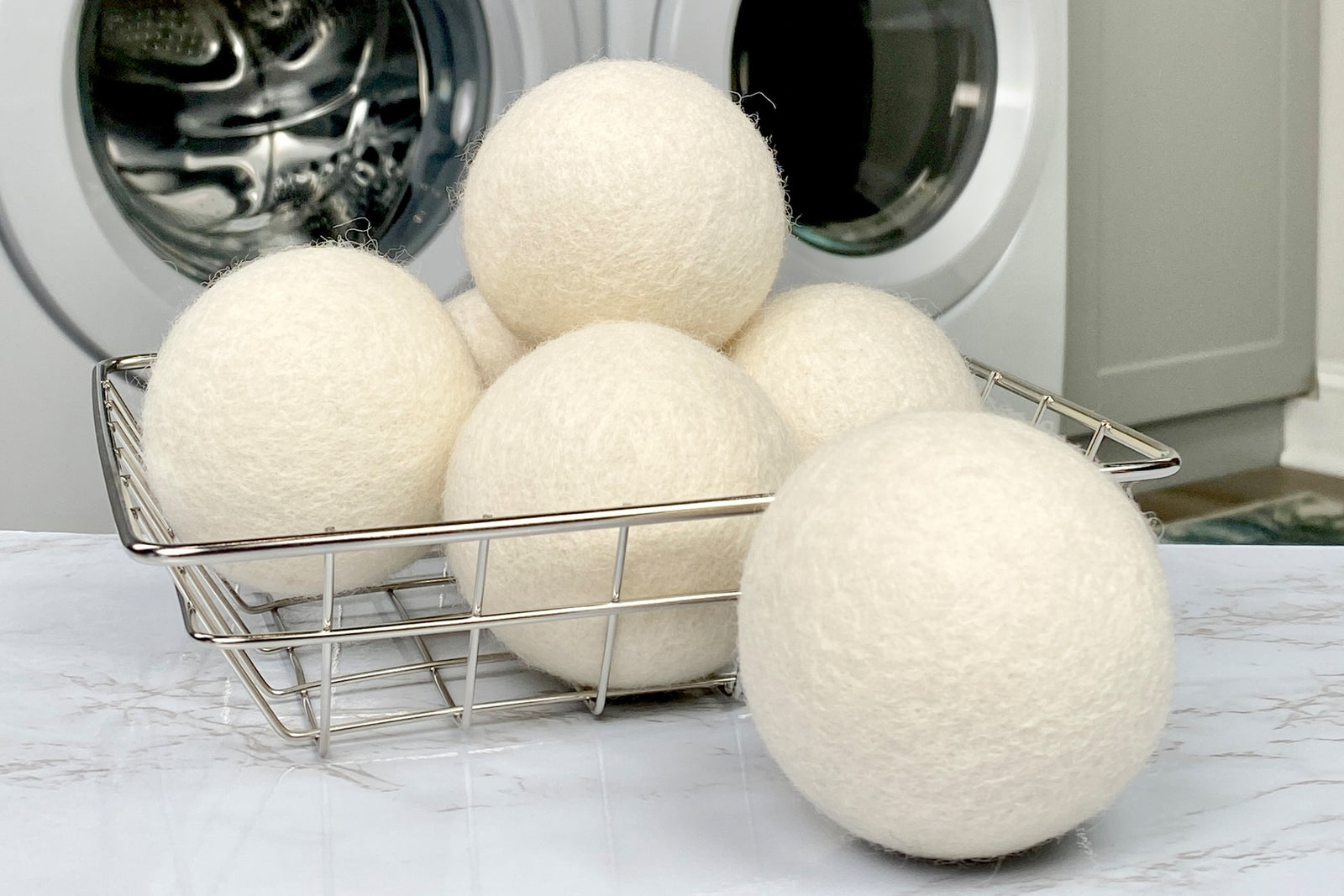
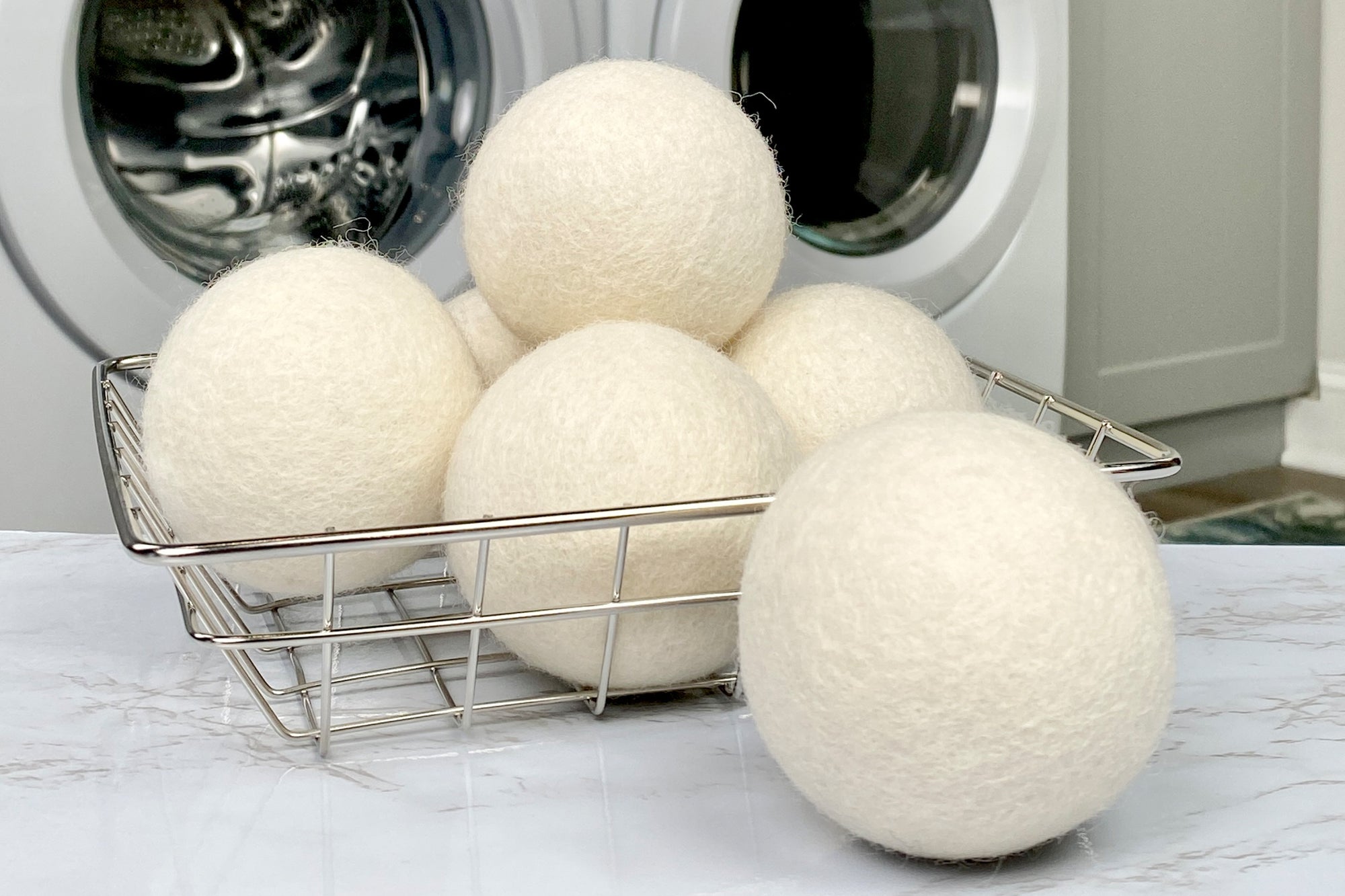
Avoid fabric softener and dryer sheets. This is non-negotiable for laundry detergent allergies or sensitive skin. Fabric softeners and dryer sheets are loaded with fragrance and chemicals that leave heavy residue. These products stay on fabric and your skin. Fabric softener ingredients are among the most common triggers for allergic contact dermatitis.If you want softer clothes, try white vinegar in the rinse cycle. It naturally softens fabric without residue. For static control, use wool dryer balls — reusable, chemical-free, and they reduce drying time while softening clothes naturally.
-
Less is more detergent. More detergent doesn't mean cleaner clothes; it means a greater chance of residue. Follow instructions carefully. Heritage Park's concentrated formula means you need very little per load, saving money and reducing residue buildup risk.
-
Clean Your Washing Machine Regularly. Detergent, fabric softener residue, and hard water minerals build up inside your washing machine. This transfers back onto clean clothes. Run a hot water cycle with three cups of white vinegar; run it again, on hot, with 1.5 cups of baking soda.
-
Wash in warm, lukewarm, or cool water. Hot water can set detergent residue into fabric. Warm or cool water is gentler on clothes and skin, and modern hypoallergenic detergents like Heritage Park work effectively in all temperatures.
As always, the Heritage Park team is here to answer any questions you have about our hypoallergenic detergent or other products. We are happy to assist you.