




Sensitive skin means detergent is only part of the equation. The fabrics you sleep on matter just as much for sensitive skin protection.
Key Takeaways
|
Hypoallergenic Detergent: The First Step
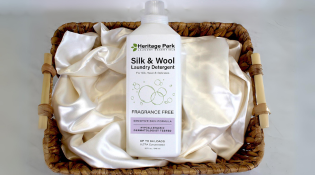
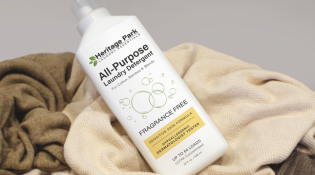
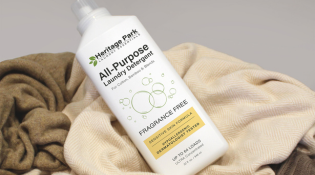
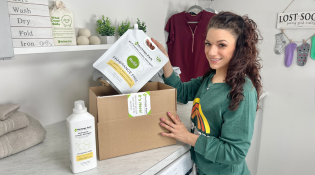
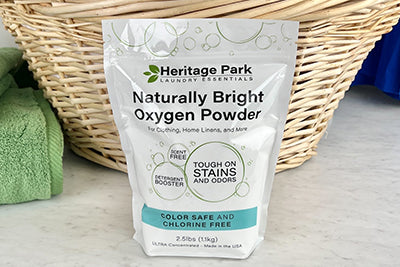
Choosing the right laundry detergent is the essential first step in sensitive skin care. Heritage Park All-Purpose Fragrance-Free Laundry Detergent protects your everyday laundry, while Heritage Park Silk and Wool Fragrance-Free Laundry Detergent safely cleans delicate protein-based fibers. Both are formulated specifically for sensitive skin. However — just as with clothing — choosing the right bedding plays a big part in protecting sensitive skin.
Here's the reality: you spend six to eight hours every night with skin pressed against bedding. If your sheets, pillows, and mattress harbor irritants, even the gentlest detergent can't fully protect you from redness, itching, and dermatitis flare-ups.
Sensitive skin affects millions, manifesting in conditions like eczema, contact dermatitis, atopic dermatitis, and psoriasis. Babies and children with delicate skin and developing barrier function face particular vulnerability. This guide addresses every layer of your bed with specific recommendations for protecting sensitive skin while you sleep.

The Dust Mite Problem: Why It Matters for Sensitive Skin
Before diving into bedding choices, let's address a major irritant: dust mites. These microscopic creatures thrive in mattresses, pillows, and bedding. While the mites themselves don't bite, their fecal matter and decomposing bodies trigger allergic reactions, asthma attacks, and skin conditions including atopic dermatitis and eczema.
For those with skin sensitivity, dust mite proteins cause skin reactions, redness, and itching that worsen existing dermatitis and compromise skin barrier function. Beyond dust mites, household dust contains harmful chemicals including volatile organic compounds (VOCs) and flame retardants that cause skin irritation. Minimizing dust exposure through proper bedding choices is essential for sensitive skin care.
The Foundation Layer: Mattress and Pillow Protection
Why This Layer Matters
Your mattress and pillows harbor accumulated dust mites, dead skin cells, body oils, and sweat. These allergens trigger eczema flare-ups, contact dermatitis, and respiratory issues. Even a new mattress begins collecting irritants immediately. For those with skin conditions, an unprotected mattress continuously exposes sensitive skin to allergens during sleep.
Allergen-Proof Encasements
Allergen-proof encasements create a barrier between you and mattress allergens, blocking dust mites, pet dander, and mold spores while preventing new allergens from penetrating.
What to Look For:
- Tightly woven fabric with pore size under 10 microns (blocks dust mites)
- Breathable materials—avoid vinyl or plastic that trap heat and cause sweating
- Zippered closure for complete protection
- Machine washable for regular cleaning
Sensitive Skin Concern: Vinyl and plastic encasements may be waterproof, but they trap heat and moisture, causing sweating that triggers skin irritation and itchy skin. Choose cotton or bamboo-based encasements for breathability.

Recommendation: SureGuard Mattress Encasement has breathable fabric, a zippered closure, and effectively blocks dust mites without toxic chemicals.
Mattress Pads
Mattress pads add comfort and protection and help keep your mattress clean. For sensitive skin, choose natural materials that regulate temperature and resist allergens.
Best Choices:
- Wool mattress pads. Naturally temperature-regulating, moisture-wicking, and resistant to dust mites (note, wool should be inside a cotton encasement).
- Down alternative pads Hypoallergenic fill provides softness without allergen concerns.
Product Recommendations:
- Scandia Home Bio Wool Mattress Pad (Fine Linen and Bath). The natural wool regulates temperature and resists irritants.
- Pine Cone Hill Cloud Mattress Pad (Fine Linen and Bath) A down alternative for hypoallergenic comfort.
Pillow Protectors
Pillows collect sweat, oils, dead skin cells, and dust mites directly next to your facial skin. A breathable pillow protector creates a washable barrier that extends pillow life and maintains hygiene critical for preventing skin reactions.
Recommendation:
- Scandia Home Percale Pillow Protectors (Fine Linen and Bath). These are 100 percent cotton percale and certified hypoallergenic. Available in a range of sizes and shapes.
Pillows and Duvets: The Filling Factor
Pillow Considerations
Down and Feather Concerns: Down sensitivity manifests as sneezing, congestion, itchy skin, and skin irritation. Feather quills can also poke through casings, causing direct skin irritation and unpleasant sensations against delicate skin.
Best Pillow Choices for Sensitive Skin: Down alternative pillows provide the soft, supportive feel of down without allergen concerns. These hypoallergenic fills work well for all skin types, including those with reactive skin and dry skin conditions. Note: not everyone with sensitive skin will be triggered by down, so make the best decision for your circumstances.

Product Recommendations:
- Peacock Alley Down Alternative Pillows (Fine Linen and Bath) Hypoallergenic, soft support.
- Downright Astra Down Alternative Pillows Medium Weight (Fine Linen and Bath) Allergen-free comfort for sensitive sleepers.
Duvet and Comforter Considerations
Down Duvets: For those with sensitivity to down, traditional duvets can trigger allergic reactions and worsen skin conditions. Even with encasements, down may not be ideal for highly reactive skin.
Best Duvet Choices for Sensitive Skin:
- Down alternative inserts Hypoallergenic, breathable, easy to wash
- Natural maize fiber inserts Plant-based fill is naturally hypoallergenic and temperature-regulating

Product Recommendations:
- Downtown Company Natural Maize Duvet Insert (Mulberry Park Silks). Plant-based, naturally hypoallergenic, breathable for temperature regulation
- Downtown Company Alpine Loft Down Alternative Duvet Insert (Mulberry Park Silks). Hypoallergenic comfort without irritants
Understanding Duvets vs. Duvet Covers
Helena Hendricks, Senior Associate Brand Manager at Fine Linen and Bath, clarifies a common point of confusion: "Although the words are often used interchangeably, a duvet and duvet cover are two different pieces. The duvet is the comforter, the insulated insert filled with down, down alternative, or other materials. A duvet cover is a protective fabric shell that slips over the duvet, like a giant pillowcase, making it easy to wash and switch out for different looks. Many luxury sheet sets offer a coordinating duvet cover in the same fabric and color as your sheets, making it easy to select something that is friendly to sensitive skin.”
Sheets: Where Skin Meets Fabric
Why Sheet Choice Is Critical
Sheets make direct contact with your skin for six to eight hours nightly. The wrong fabric causes irritation, overheating, and moisture buildup that triggers dermatitis, redness, and itching. For sensitive skin care, sheet selection may be your most important bedding decision. This is particularly important when selecting bedding for babies, whose skin barriers are still developing.

Fabrics to Avoid
Polyester and Synthetic Blends: Synthetics don't breathe, trapping heat and moisture that irritate skin. Static electricity attracts dust and allergens. Chemical finishes on synthetic fabrics can trigger skin reactions and worsen existing skin conditions.
Low-Quality Cotton: Short fibers create rough surfaces that irritate delicate skin. Low-quality cotton pills and becomes scratchy which compromises skin health.
Best Sheet Fabrics for Sensitive Skin
High-Quality Cotton Percale: Crisp, cool, and highly breathable, percale is ideal for hot sleepers and those with skin sensitivity. Long-staple cotton (Egyptian, Pima, Supima) provides smooth fibers that won't irritate. Percale gets softer with each wash without the use of heavy-duty chemicals.

Product Recommendation: SFERRA Celeste (Fine Linen and Bath) A top-selling luxury percale made from fine extra-long-staple cotton for a cool, luxurious feel.
High-Quality Cotton Sateen: Sateen offers a smoother, silkier feel than percale with a subtle sheen. Slightly warmer but still breathable, sateen's smooth surface reduces friction against irritated skin and facial skin prone to redness.
Product Recommendation: Matouk Nocturne Bedding Collection (Fine Linen and Bath) - Smooth sateen weave, elegant drape, gentle on skin
Silk Sheets: Silk’s natural properties make it ideal for even the most sensitive skin:
- Hypoallergenic: Silk's protein structure resists dust mites, mold, and mildew
- Temperature-regulating: Keeps you cool in summer, warm in winter, preventing sweat-induced irritation
- Moisture-wicking without absorbing: Silk doesn't pull moisture from your skin, maintaining hydration and skin barrier
- Smooth surface: Reduces friction that causes irritation, beneficial for eczema, acne scars, and facial skin sensitivity
Product Recommendation: Mulberry Park Silks 22 Momme Silk Sheet Set Made from 100% pure mulberry silk of the highest grade, these sheets are naturally hypoallergenic and ideal for all skin types including those with dermatitis and sensitive skin symptoms. Mulberry Park Silks sheets are also OEKO-TEX® STANDARD 100 for safety. Mulberry Park Silks also carries silk sheets and silk pillowcases in 19 momme and 30 momme weights.

Zoe Doyle, Associate Brand Manager at Mulberry Park Silks, explains why silk stands apart: "Silk is the gold standard for sensitive skin because it's naturally hypoallergenic, incredibly gentle, and pure enough for the most delicate skin. At Mulberry Park Silks, we're parents ourselves, and our own babies sleep on silk. That's how confident we are in its purity.”
Blankets and Throws
Blanket Considerations
Wool Blankets: Quality matters significantly. Fine merino is soft, but coarser can cause itching and irritation for sensitive skin. Wool naturally resists dust mites and regulates temperature but often requires a barrier layer for those with skin sensitivity. To minimize surface irritation, cashmere is a good option.
Synthetic Fleece: Fleece feels soft, but it doesn’t breathe. It also creates static that attracts irritants and traps heat, leading to sweating.
Best Choices: Cotton and linen blankets are breathable, natural, and gentle against skin. Linen becomes softer with use and excels at temperature regulation.
Product Recommendation: Peacock Alley Portico Woven Blanket/Throw (Fine Linen and Bath) A breathable cotton/linen blend that is against sensitive skin, naturally temperature-regulating, and washable.
Tip: If using wool blankets, layer a cotton or silk sheet between wool and skin to prevent direct contact irritation.
Putting It All Together: Your Hypoallergenic Bed
Layer-by-Layer Summary
- Mattress: Allergen-proof encasement (SureGuard)
- Mattress pad: Wool (Scandia Home Bio Wool) or down alternative (Pine Cone Hill Cloud)
- Pillows: Down alternative (Peacock Alley or Downright Astra) with pillow protector
- Sheets: High-quality cotton (SFERRA Celeste or Matouk Nocturne) or silk (Mulberry Park Silks 22 momme)
- Duvet: Down alternative or natural maize insert (Mulberry Park Silks)
- Blankets: Breathable linen (Peacock Alley Portico)
We recommend first prioritizing hypoallergenic detergent followed by quality sheets. Move on to pillow protectors, quality pillows, a mattress encasement, and a hypoallergenic duvet insert as your budget permits.
Complete Care Protocol
Your bedding investment requires proper care to maintain hypoallergenic properties. Use Heritage Park All-Purpose Fragrance-Free Laundry Detergent for cotton sheets, mattress pads, and pillow protectors. For silk sheets and washable cashmere/lightweight wool blankets, use Heritage Park Silk and Wool Fragrance-Free Laundry Detergent. Both formulas are EWG verified, lab-certified hypoallergenic, and pediatrician- and dermatologist-tested to ensure your freshly washed bedding is gentle on sensitive skin. Follow this care regimen:
- Wash sheets weekly in hypoallergenic detergent
- Wash mattress pad and pillow protectors monthly
- Wash duvet inserts quarterly per care instructions
- Vacuum mattress and wash encasements quarterly
- Replace pillows every 1-2 years
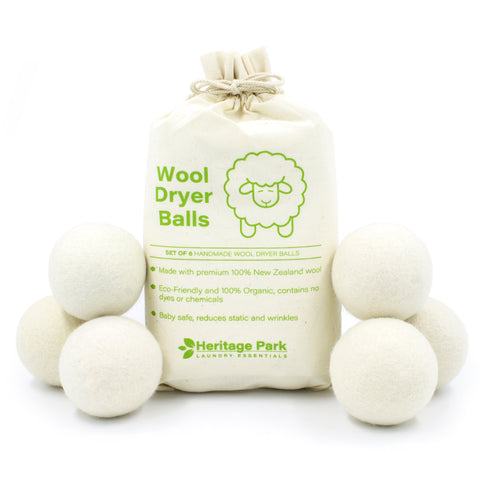
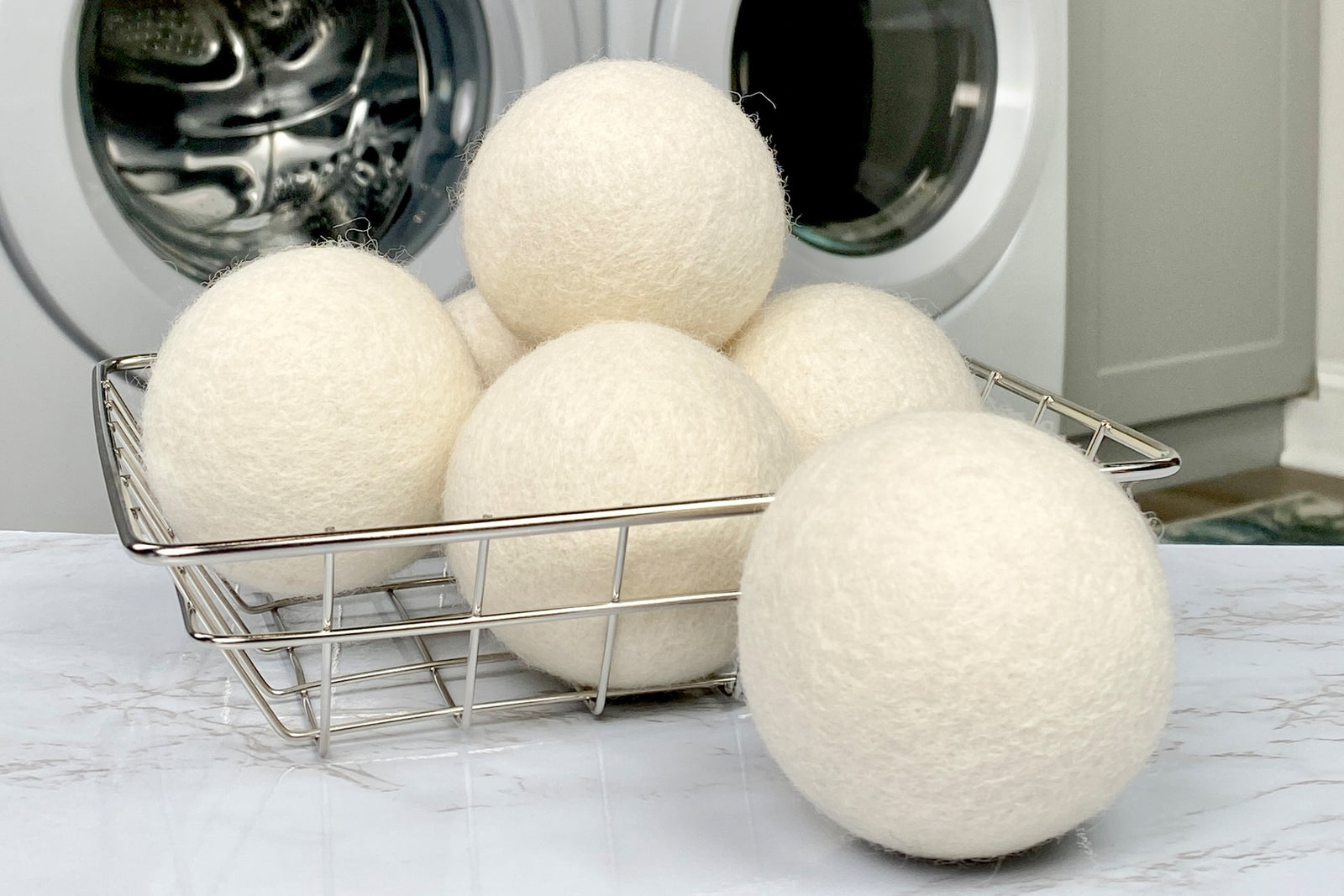
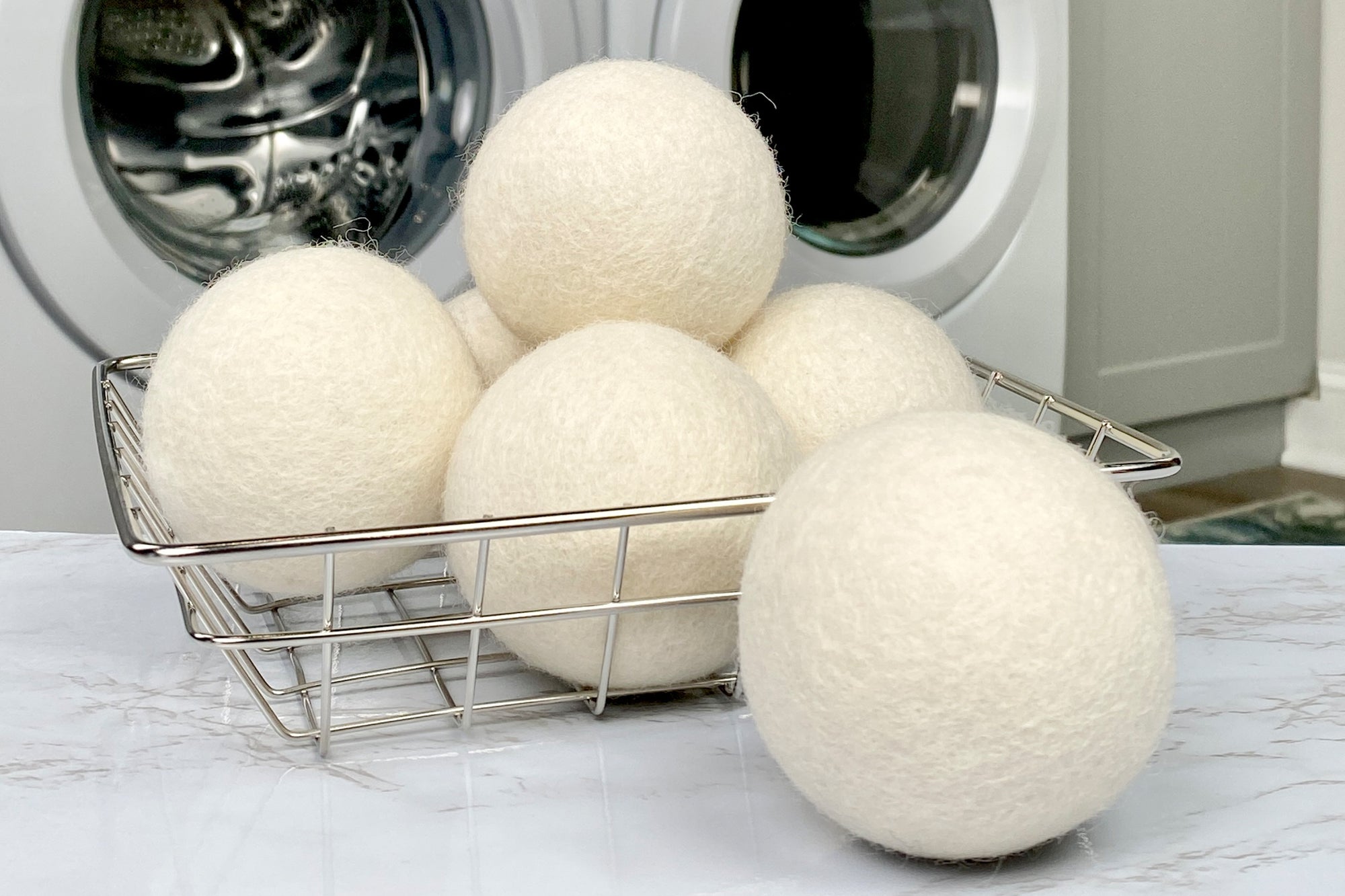
- Use wool dryer balls instead of fabric softener
- Keep bedroom humidity between 30-50% to discourage dust mites

The Sensitive Skin Bottom Line
Protecting sensitive skin requires attention to every layer of your bed. From allergen-proof encasements that block dust mites to silk sheets that naturally resist irritants and reduce friction, each choice either supports or undermines your skin health.
Combined with hypoallergenic Heritage Park detergent and proper washing protocols, the right bedding creates a sleep environment that promotes healthy skin rather than triggering dermatitis, eczema flare-ups, and nighttime irritation. Your skincare routine and skin care products work more effectively when your bedding isn't introducing new irritants every night. For those managing skin conditions, investing in quality hypoallergenic bedding helps reduce symptoms, improve sleep, and enhance skin barrier function.
As always, the Heritage Park team is here to answer any questions you have about our products or laundry care. Please feel free to chat or give us a call.
Frequently Asked Questions
Can I use down bedding if I have sensitive skin?
It depends on your specific sensitivity. Many people with otherwise sensitive skin don’t react to down. To be cautious, use hypoallergenic pillow protectors and duvet covers and consider down alternative products if you experience persistent skin reactions, redness, or respiratory symptoms.
What's the best thread count for sensitive skin sheets?
When judging sheets, the quality of the cotton matters more than thread count. Look for long-staple and extra-long-staple cotton which features longer, stronger, smoother fibers. For silk, any sheet between 19 and 30 momme will do; we think 22 momme offers the perfect balance of softness and weight.
How often should I wash bedding for sensitive skin?
Wash sheets weekly in hypoallergenic detergent like Heritage Park. Wash pillow protectors and mattress pads monthly. Wash duvet inserts quarterly (for any duvet bigger than twin size, take a trip to the laundromat for a commercial front-loading machine). This frequency removes dust mites, dead skin cells, and allergens before they accumulate and trigger skin irritation and dermatitis symptoms.
Are bamboo sheets really hypoallergenic?
Quality bamboo lyocell sheets can be hypoallergenic and moisture-wicking. However, processing varies widely. Some bamboo is manufactured using harsh chemicals that may leave residue. For reliable hypoallergenic properties, look for high-quality, organic bamboo or silk sheets, which are naturally antimicrobial.
Why is silk so great for sensitive skin?
Silk naturally resists dust mites, mold, and mildew due to its protein structure. The smooth surface reduces friction that irritates eczema, acne, and facial skin sensitivity. For mildly to moderately sensitive skin, high-quality cotton is also a wonderful choice.
Do I need a mattress encasement even with a new mattress?
Yes. New mattresses begin collecting dust mites, dead skin cells, and allergens immediately. An encasement prevents accumulation from day one, making it easier to maintain a hypoallergenic sleep environment. For sensitive skin and those with dust mite allergies, encasements are essential regardless of mattress age.
Medical Disclaimer: The information provided in this article is for educational purposes only and is not intended as medical advice. Heritage Park Laundry Essentials and Mulberry Park Silks are not providing medical advice, diagnosis, or treatment recommendations. If you're experiencing persistent skin conditions, dermatitis, allergic reactions, or sensitive skin issues, please consult with your healthcare provider or dermatologist for proper medical evaluation and treatment.