At Heritage Park, we spend a lot of time thinking about how to make laundry day better for your fine fabrics, your family, and the planet. Our wool dryer balls are one of the simplest changes you can make to your routine. We regularly hear from customers who wish they'd made the switch sooner. Here's everything you need to know about how they work, how to use them, and why we think they're worth a permanent spot in your laundry room.
Fabric Softener and Dryer Sheets are Bad for Laundry (Especially Towels)
Dryer sheets and liquid softener both work by coating fabric in a thin waxy film of chemicals and fragrance. That coating is what makes clothes feel soft, but it's also what mats down towel fibers, cuts their absorbency, and builds up inside your dryer's lint filter over time — which is why appliance manufacturers actually recommend against using dryer sheets at all. Wool dryer balls soften through motion, not chemistry, so there's nothing left behind on your laundry, your machine, or your skin.
Pro Tip to Rescue Tired Towels
If your towels have already taken a beating from dryer sheets or fabric softener, don't worry — they're usually not a lost cause. Wash them in warm-to-hot water with one cup of white distilled vinegar and no detergent, which strips away built-up residue and restores absorbency. Run a second wash with just a half cup of baking soda (again, skip the detergent) to freshen up any lingering odor. Then dry as usual with your wool dryer balls, no dryer sheets, and you should notice your towels coming out fluffier and softer than they have in a while. Repeat the process every few months, or anytime your towels start to feel stiff or smell a little musty, to keep them performing their best.
Do Wool Dryer Balls Work?
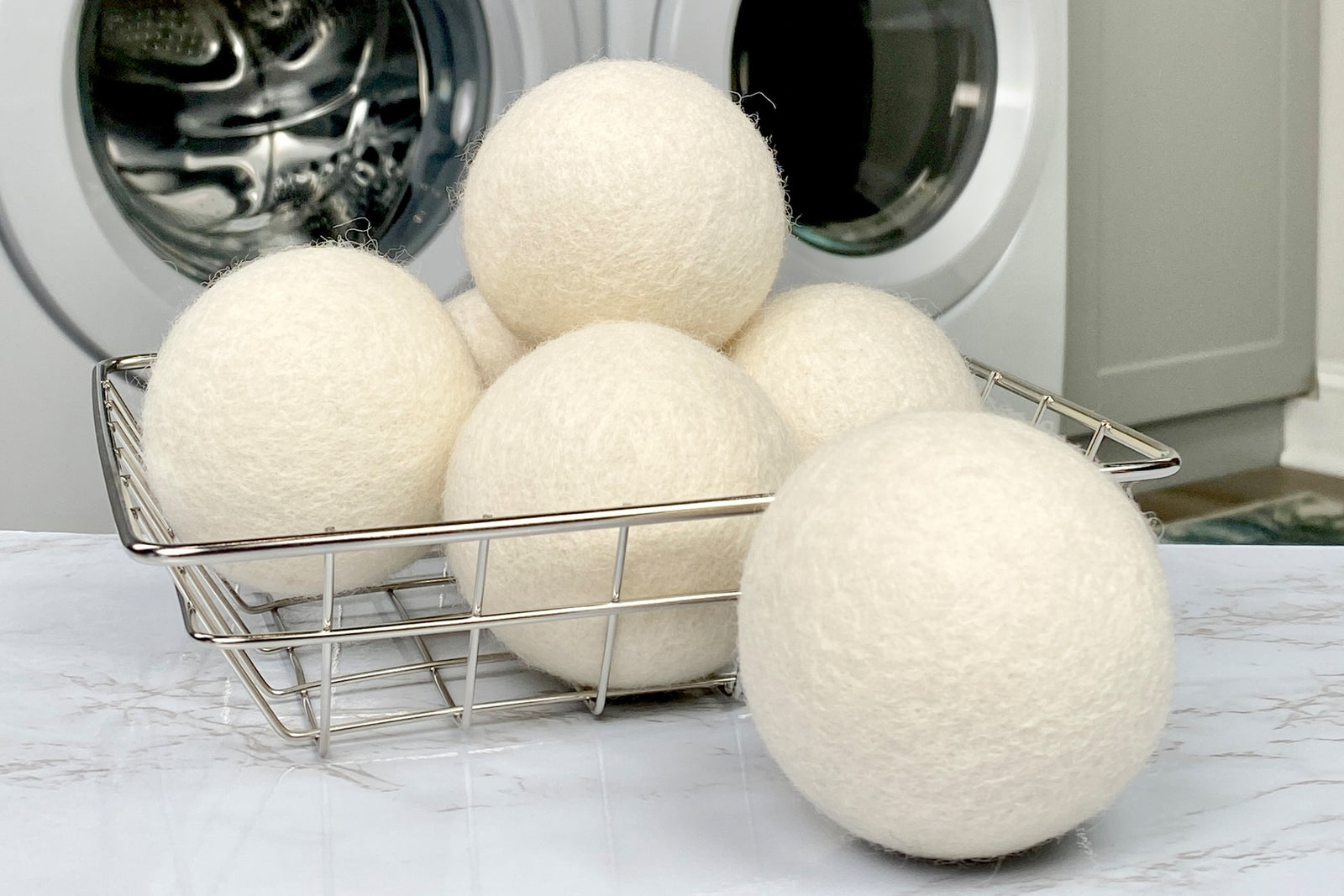
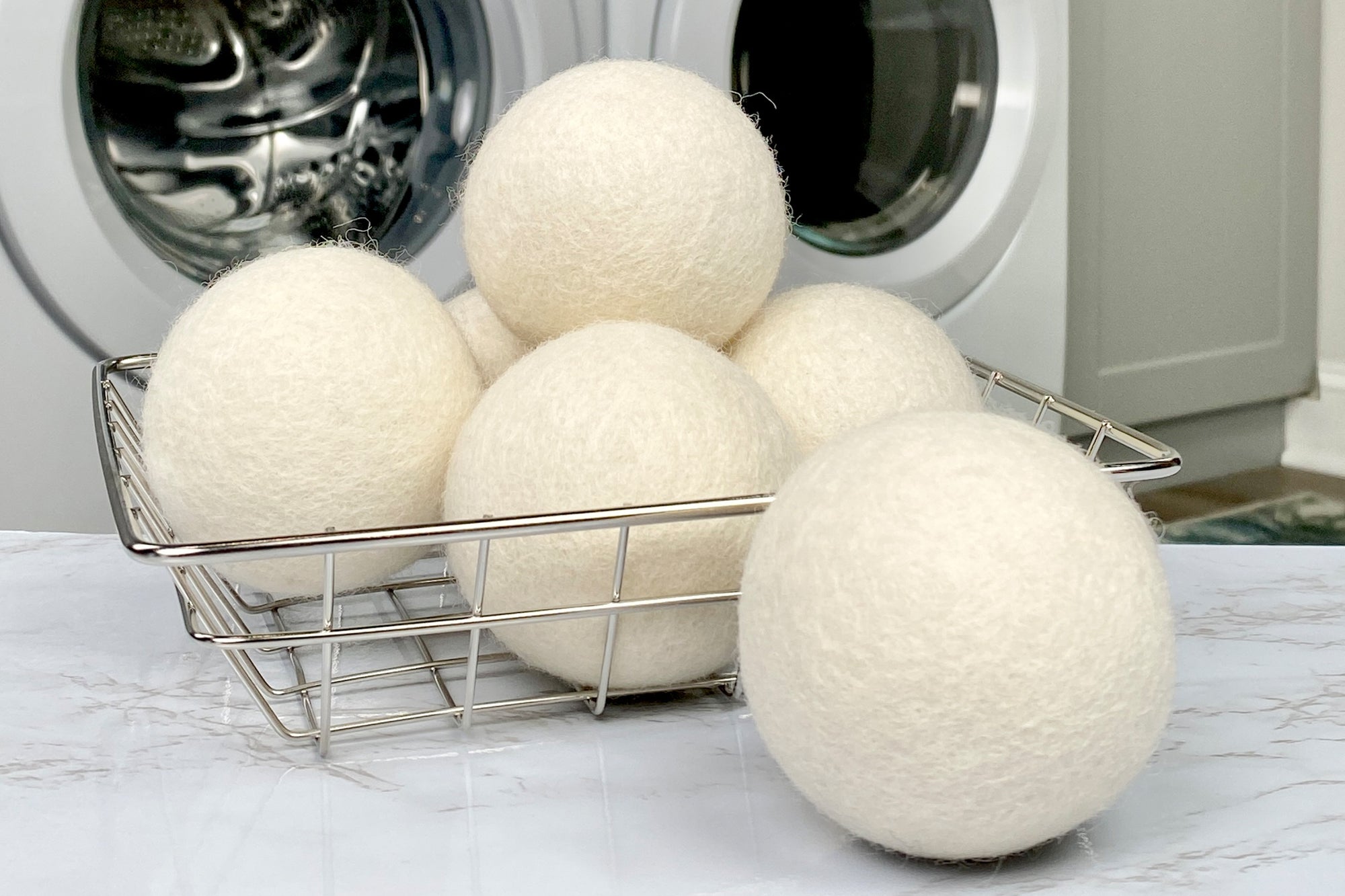
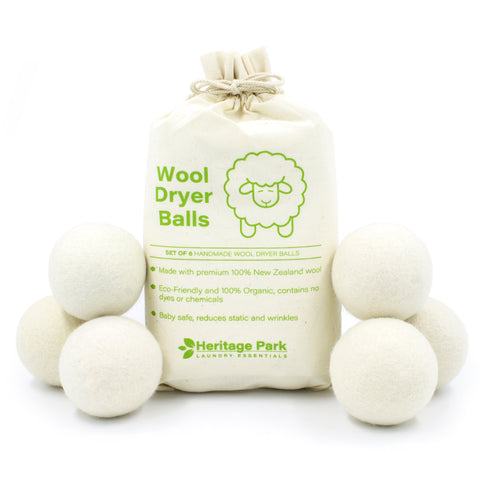
Absolutely. Made from felted New Zealand wool, Heritage Park Wool Dryer Balls are about the size of a tennis ball (2.75" diameter) and handmade in Nepal. During the dry cycle, they bounce and tumble through the load, lifting and separating clothes, towels, and bedding. That separation increases airflow (speeding moisture evaporation) while the wool's natural wicking properties pull moisture out of fabric as it dries (something plastic dryer balls simply can't do).
The mechanical tumbling also softens fabric, reduces static cling, and cuts down on wrinkles, all without a single chemical additive. And because they carry no fragrance or coating, wool dryer balls are considered safe for babies, cloth diapers, and anyone with sensitive skin or allergies.
We're picky about where our wool comes from, too. Our dryer balls are made from sustainably grown New Zealand wool, prized as some of the strongest, most durable wool in the world. We are animal lovers, so we’re also proud to say that the sheep are never harmed during shearing. It's a small detail, that’s an important part of why we call dryer balls a truly sustainable product from start to finish.
How to Use Wool Dryer Balls
Wool dryer balls are simple to use. Just toss them into the dryer with your wet laundry and run your cycle as usual.
Small to medium loads: use 3 or 4 balls
Large loads or heavy items (towels, comforters, blankets): use up to 6 balls, and for very bulky laundry items you can use up to 8 balls to improve drying performance
Never use with delicate fabrics, especially silk or anything labeled "air dry only" as the tumbling action can damage fine fibers
Store them right in the dryer, or in the reusable cotton bag they came in
Want fragrance? Add a few drops of essential oils (lavender is a favorite) directly to a ball before drying for an added scent, as a natural alternative to dryer sheets
Because wool balls speed up drying, keep an eye on your first few loads to avoid over-drying because they may take less time than usual. On bulkier loads, using up to 8 balls can significantly improve drying results and help eliminate frequent static cling.
Caring for Your Wool Dryer Balls
Like any wool product, dryer balls need occasional
cleaning to stay effective. The dry heat of repeated cycles can leave them a little dried out and less absorbent over time, and they'll naturally collect lint as they work.
How Often to Wash Wool Dryer Balls
How To Wash Wool Dryer Balls:
- Shave off excess lint with a sweater shaver, using a light touch.
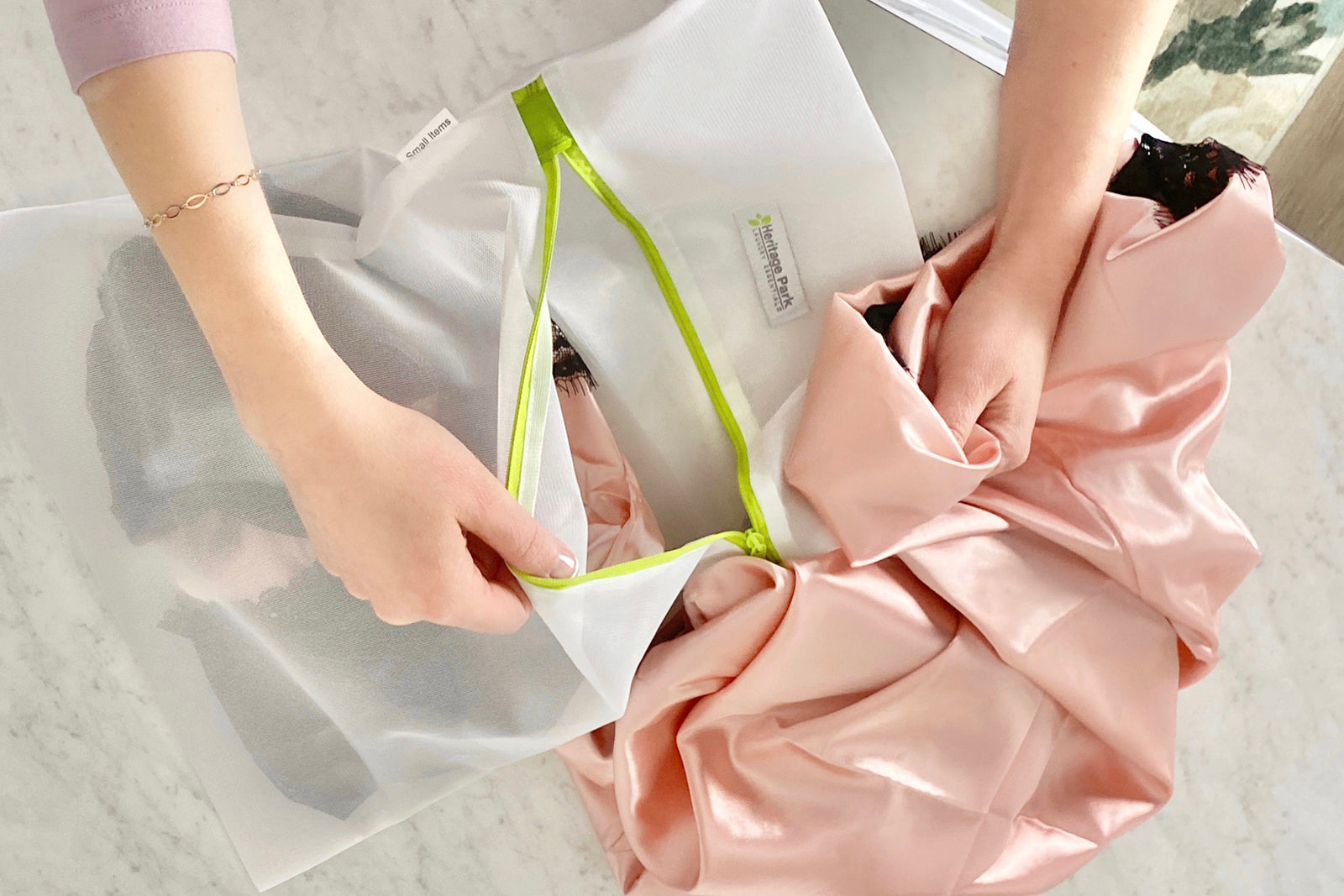
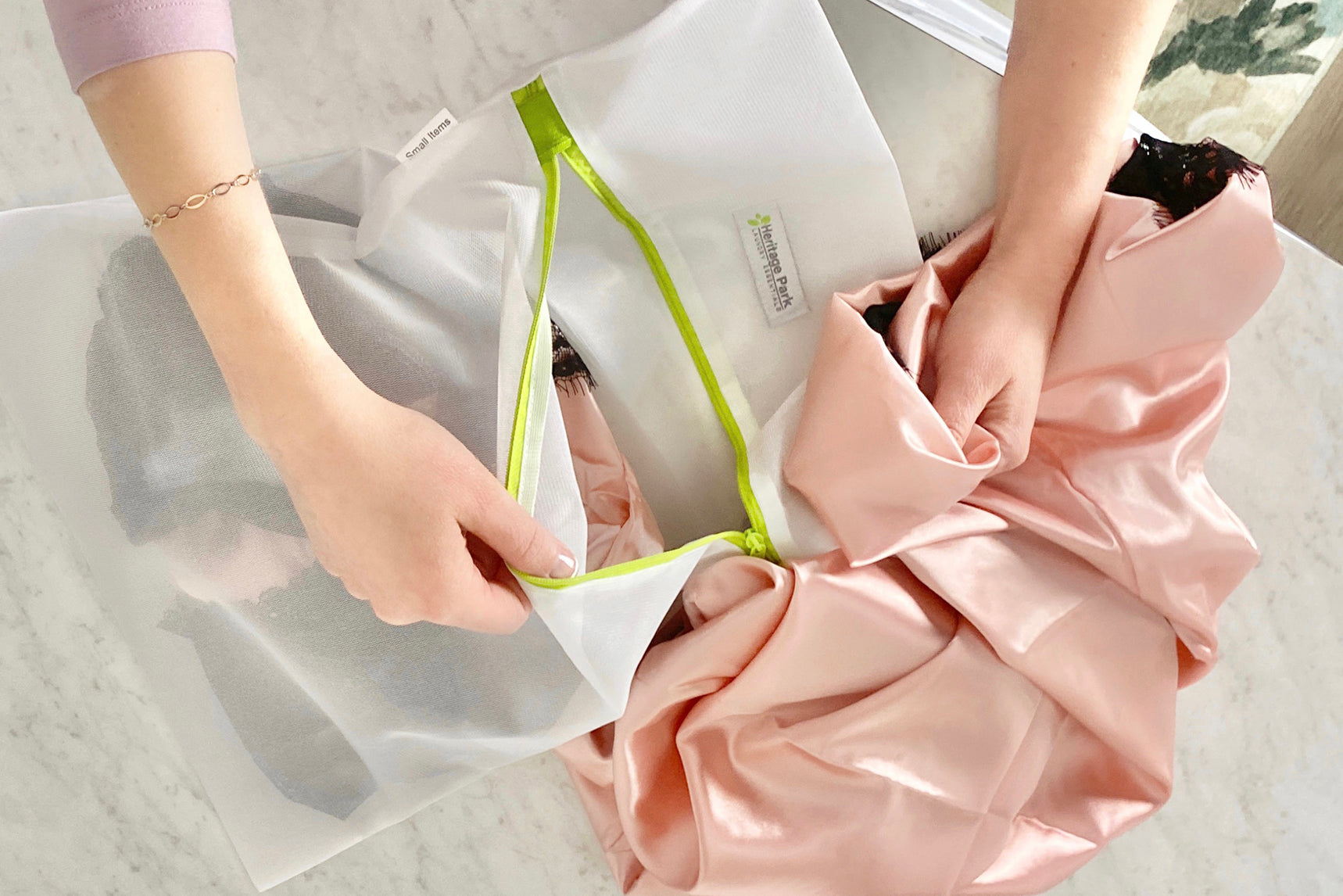
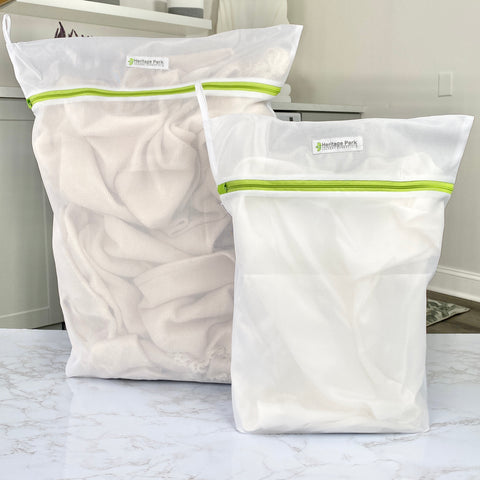
- Place the balls in a mesh laundry bag to protect them in the machine.
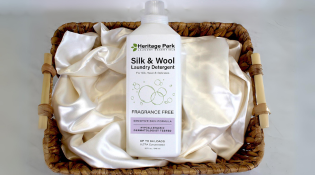
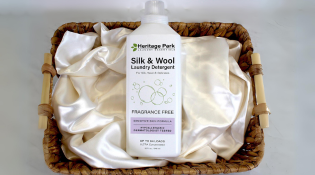
- Wash on a gentle cycle in hot water with a gentle, wool-safe detergent (avoid enzyme-based formulas, which can break down wool fibers).
- Squeeze out excess water, then tumble dry on high heat until fully dry..
Many households also keep two sets of dryer balls on rotation, one for light-colored laundry and one for darks, since dryer balls are designed to collect lint as they work. And when a set finally wears out after all those washes, you can feel good about how you get rid of it: because they're 100% wool, old dryer balls can go straight into the compost pile instead of a landfill.
Wool Dryer Balls vs. Dryer Sheets vs. Fabric Softener
| |
Heritage Park
Wool Dryer Balls
|
Bounce
Dryer Sheets
|
Downy
Fabric Softener
|
|
Price
|
$22.50 / 6 balls
|
$12.97 / 330 sheets
|
$12.97 / 190 loads
|
|
Cost per load
|
~$0.02
(1,000+ loads per set)
|
~$0.04
|
~$0.07
|
|
Chemical-free
|
Yes
|
No
|
No
|
|
Reusable
|
Yes (1,000+ loads)
|
No, single-use
|
No, single-use
|
|
Biodegradable
|
Yes
|
No
|
Partially
|
|
Leaves waxy residue
|
No
|
Yes
|
Yes
|
|
Safe for towel absorbency
|
Yes
|
No
|
No
|
If you compare the numbers over a full year of daily laundry (one load/day) the gap gets even more obvious: dryer sheets run around $14 a year, liquid softener closer to $25 a year, and a single set of wool dryer balls averages out to well under $10 a year (and that’s before you factor in the energy savings from shorter drying cycles).
"Fine fabric doesn't need chemicals to feel good — it needs the right kind of care. That's the whole philosophy behind Heritage Park: give people a laundry routine that's better for their family’s sensitive skin, their laundry, and the planet without sacrificing results."
— Tom Ceconi, President, Heritage Park Laundry Essentials
So What's the Catch With Wool Dryer Balls?
There's no catch. But for the laundry skeptics, here are some quick answers to
common concerns with dryer balls:
-
They're noisy. Expect a thumping sound as they tumble. Most people tune it out quickly (and it's a sign they're doing their job).
-
Higher upfront cost. A six-pack costs more than a bottle of fabric softener off the shelf. But spread across 1,000 loads, dryer balls are the most affordable choice by far.
-
They collect lint. Yep, they do. This is how they keep lint off your clothing. (This is why we recommend a separate set of dryer balls for light and dark loads.
-
No built-in scent. If you love the smell of traditional dryer sheets, you'll need to add a drop of essential oil yourself.
None of these concerns change the core equation: lower cost per load, no chemical exposure, less environmental waste, and real time savings on drying. That combination is why wool dryer balls have earned a permanent place in so many laundry rooms, including our own here at Heritage Park (where we run more loads of wash in a week than most households do in a month).
Make the Switch to Heritage Park Wool Dryer Balls
Ready to leave dryer sheets and fabric softener behind?
Shop Heritage Park Wool Dryer Balls — a six-pack with reusable canvas storage bag, made from 100% premium New Zealand wool. Questions about which laundry accessories are right for your household?
Contact our team or call us at (800) 977-1841.