Harness The Stain-Fighting Power of Enzyme Laundry Detergent
Even the most casual label readers among us have seen the terms "laundry enzymes" or "biological detergents." Although they've been around for decades, enzyme-boosting laundry detergents are absolutely having their moment, and with good reason: they're fabulous for removing tough stains.
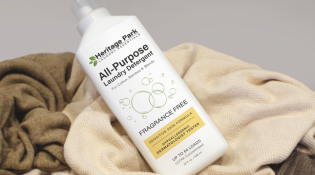
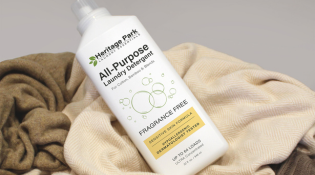
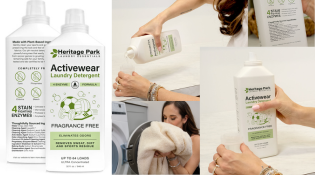
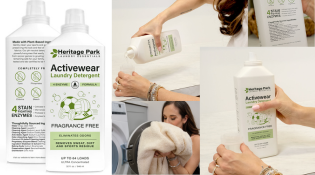
Here at Heritage Park, our Luxury All-Purpose Detergent liquid contains a proprietary blend of enzymes. These all-natural ingredients act as cleaning catalysts that bring extra stain-fighting power to our products to leave your clothing and linens sparkling clean.
Let's take a closer look at what enzymes are and how they work in this informative guide to enzyme laundry detergent.
How Does Enzyme-Based Laundry Detergent Work?
Also known as biological detergent, enzyme-based detergent formulations contain specific cleaning enzymes, each of which targets a different category of stain. Cleaning and stain removal are a team effort. Think of enzymes as position players, every one trained to do a special job. Stains come in many forms, including proteins, starches, and lipids. Sensitive Skin All-Purpose Detergent contains a range of
enzymes, which work in conjunction with each other and our dirt-releasing surfactant to remove tough stains:
-
Protease (Subtilisin): Protease enzymes target protein stains. These include food stains such as egg and milk; a mud or grass stain; and blood and other body fluids.
-
Alpha-amylase: These enzymes are formulated to remove starch stains such as those left by gravy, cereal, or pasta.
-
Pectate Lyase: Pectate lyase enzymes attack pectin stains, which are left by fruits and vegetables.
-
Lipase: As you may be able to tell by the name, the lipase enzyme targets fats or lipids. Lipase enzymes work on greasy food stains such as butter and oils and on other oil-based stains such as from lipstick or certain cosmetics.
-
Mannanase (Mannan endo-1,4-beta-mannosidase): This enzyme attacks mannans, a form of sugar used to thicken and stabilize food items such as ketchup and ice cream and personal care products like deodorants, all of which are major stain culprits.

Similar to the various enzymes in our bodies that help digest the food we ingest, laundry enzyme activity works to break down stains. A soiled mass is broken into smaller molecules that are taken away in the rinse cycle. When treated with enzymes, even stubborn stains can be washed away.
How To Use Enzyme Laundry Detergent
The good news is, you can use enzyme laundry detergent just like any other liquid laundry detergent (see exceptions below regarding protein-based fabric).
Heritage Park Sensitive Skin All-Purpose Detergent is formulated to perform in a variety of water temperatures in any washing machine. However, washing in WARM water -- which makes the enzymes move faster -- will maximize their power and enable them to work more quickly on a stain. For example, if you run a wash at 40 degrees for two minutes and a wash at 100 degrees for two minutes, you would see better results from the warmer wash.
How about cold or hot water? The enzymes in our detergent will also work in cold water; however, they may take longer to remove dirt. Hot water, while being effective on water-soluble stains, is not an ideal environment for enzymatic cleaner, as enzymes can degrade at high temperatures. When tempted to go hot, use warm instead, and always follow the manufacturer's instructions for laundering and temperature.
Using Enzyme Detergent as a Prewash Stain Remover
You may have heard the term "enzyme presoak." A well-formulated enzyme detergent like Heritage Park Fine Laundry Detergent can also be used as a prewash stain remover, either alone or in combination with other methods. For lighter stains, dissolve a capful of detergent in a cup of warm water and put in a spray bottle; spray liberally over the stain and let sit at least an hour prior to the main wash. For more serious stains, moisten the fabric, and apply detergent directly; rub gently to remove the stain. Rinse and repeat before washing if needed.
Click here for
laundry tips on removing common stains.

Note: Always use caution and check the manufacturer's laundering instructions before attempting to treat any stain. Begin with the least aggressive method first, such as pretreating with detergent or stain removal treatment. Spot test areas of fabric for colorfastness before using any chemical treatment, including hydrogen peroxide, oxygen bleach, or even baking soda, which can remove the color from some fabrics.
Can You Use Enzyme Detergent on Protein-Based Fabrics Such as Silk, Wool, or Cashmere?
You should NOT use enzyme detergents to regularly wash these fabrics. Enzyme-based stain treatment products and detergents like Heritage Park Luxury All-Purpose Detergent are highly effective at removing stains (particularly protein-based stains such as blood, body fluids, dairy products, egg). However, because enzyme-based laundry detergents break down protein, they should NOT be used for regular washing on protein-based fabrics like silk, wool, or cashmere. For regular
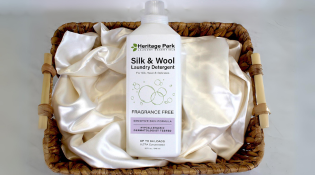
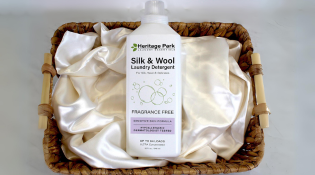
laundering of wool and silk, we recommend an enzyme-free, or non biological detergent such as
Heritage Park Silk, Wool and Delicates Detergent. Note:enzyme-based treatments and detergents may be used sparingly to treat stains on protein-based fabrics such as silk or wool. Test on an inconspicuous area and always follow the
manufacturer's care guidelines.